 English
 Deutsch
 Español
 русский

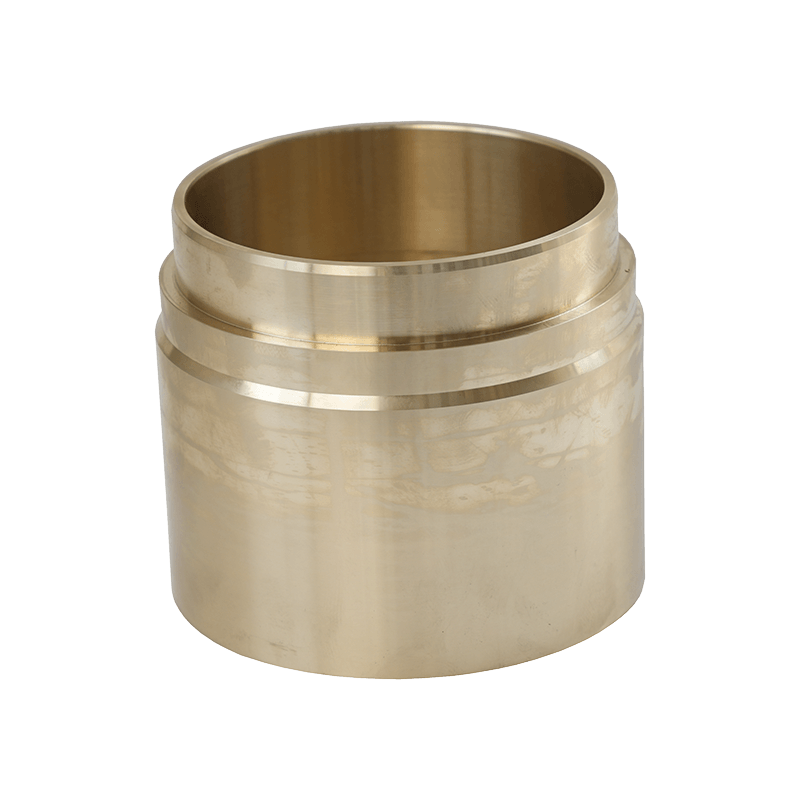
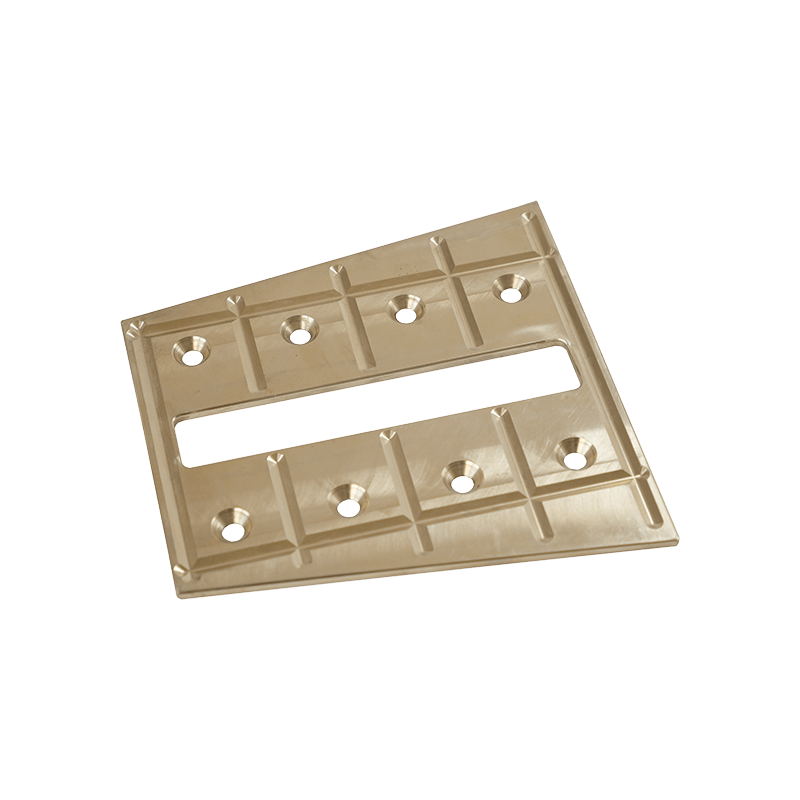
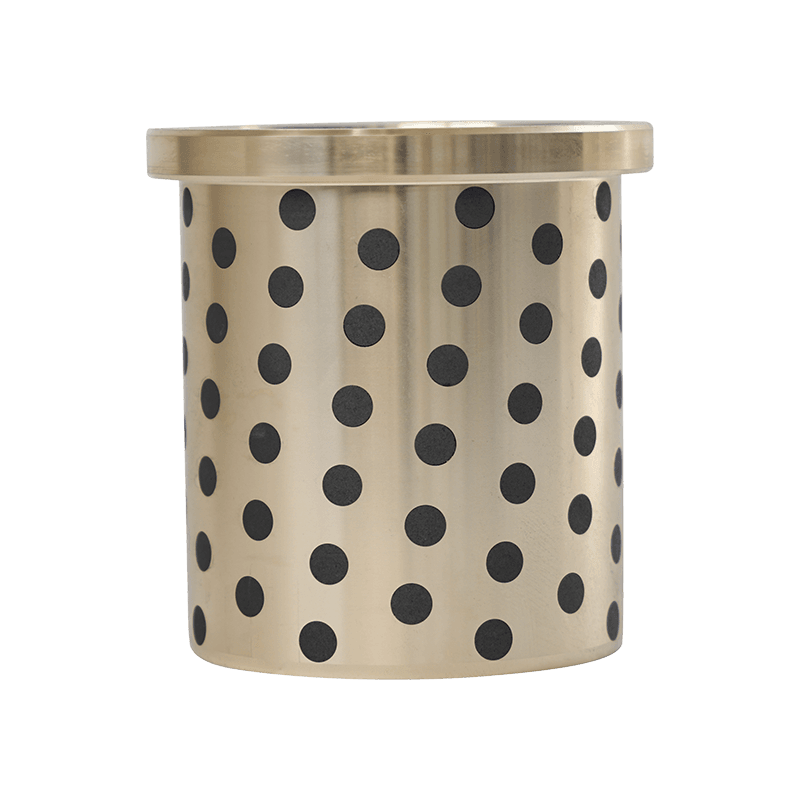
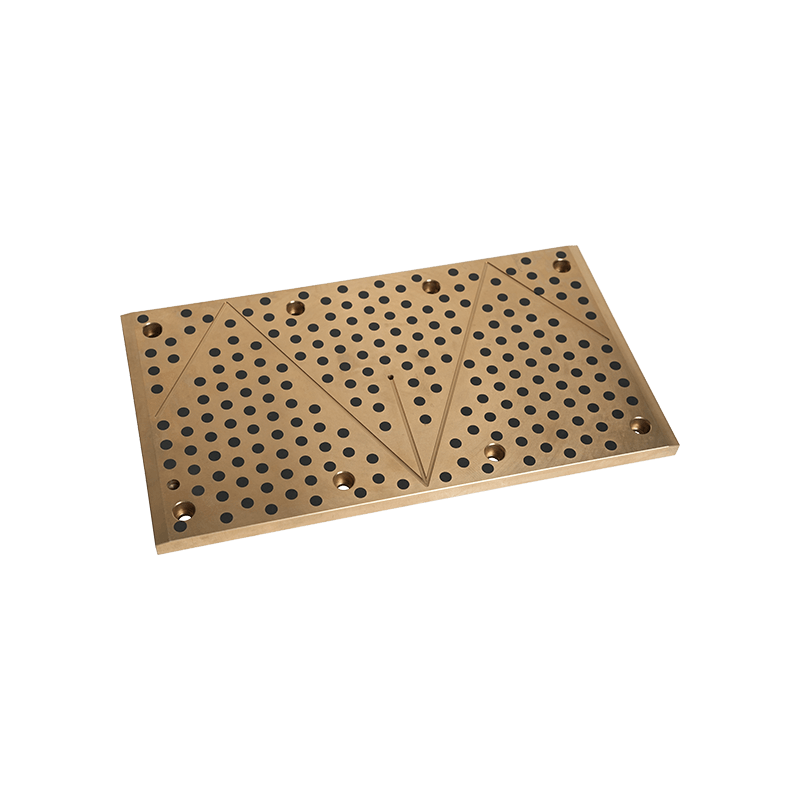
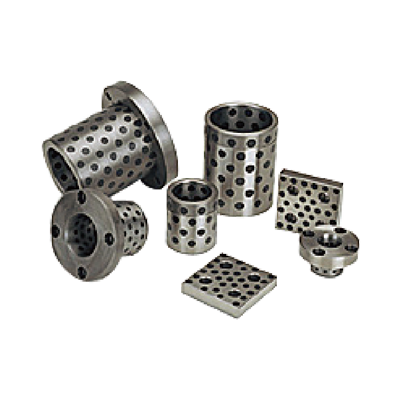
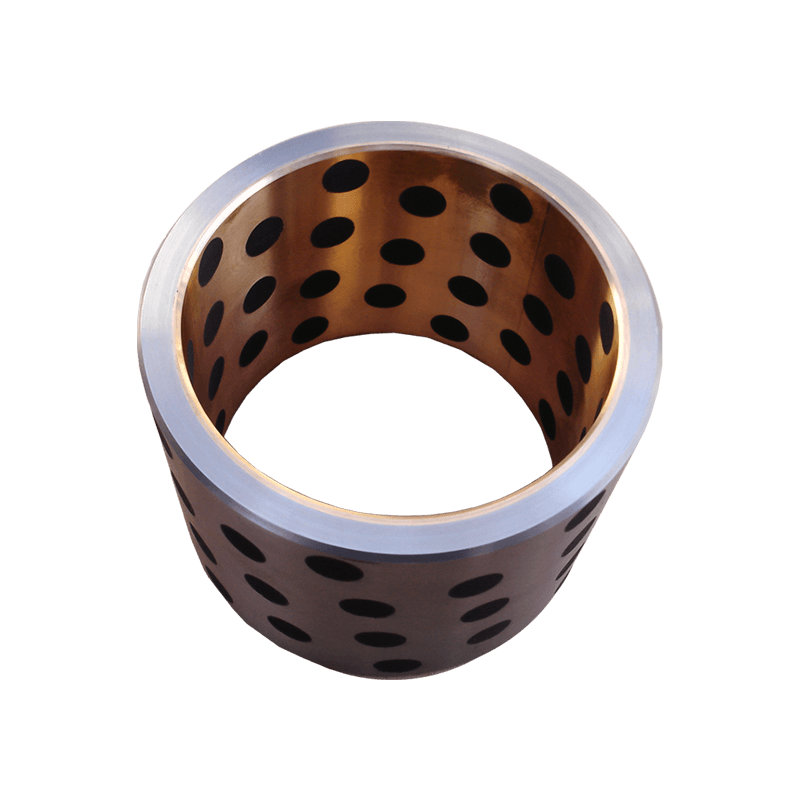
Composite metal self-lubrication series are engineered materials designed to reduce friction, enhance wear resistance, and extend service life in industrial applications. These components combine a metal substrate with solid lubricants, providing maintenance-free operation under challenging conditions. Their reliability and performance make them essential across multiple industries, particularly where traditional lubrication is impractical or insufficient.
Automotive Industry Applications
The automotive sector relies heavily on composite metal self-lubrication components for engines, transmissions, steering systems, and suspension mechanisms. Bearings, bushings, and washers made from these materials reduce friction and wear, improving efficiency and extending component life. Self-lubricating metal parts also minimize maintenance needs, which is critical in modern vehicles designed for longevity and low operating costs.
These components are especially valuable in electric vehicles (EVs), where compact designs and high-speed operation demand high-performance, maintenance-free solutions to maintain efficiency and reliability.
Aerospace Industry Applications
Aerospace manufacturing demands lightweight, reliable, and high-strength components capable of performing under extreme temperatures and varying pressures. Composite metal self-lubrication series are used in aircraft landing gear, actuators, control surfaces, and engine components. These materials reduce friction, lower heat generation, and ensure stable operation without continuous lubrication, enhancing safety and reducing maintenance cycles.
The ability to withstand high loads and resist wear under vibration and environmental stress makes these self-lubricating metals ideal for aerospace applications, where reliability and performance are paramount.
Heavy Machinery and Construction Equipment
Industrial and construction machinery benefit significantly from composite metal self-lubrication components. Bearings, bushings, and slides made from these materials can operate in environments exposed to dirt, dust, water, and heavy loads without frequent maintenance. This reduces downtime, maintenance costs, and extends the lifespan of equipment such as excavators, cranes, loaders, and mining machinery.
Their ability to perform under high-load, low-speed, and oscillating motion conditions makes them particularly valuable in earth-moving and material-handling machinery.
Marine Industry Applications
Marine vessels and offshore platforms operate in harsh, corrosive environments where traditional lubricants may fail. Composite metal self-lubricating components are used in propeller shafts, rudder bearings, deck machinery, and pump systems. Their corrosion resistance and self-lubricating properties minimize maintenance and ensure reliable operation in saltwater environments.
The durability of these components helps reduce operational risks, maintenance schedules, and downtime in marine applications, making them a cost-effective solution for long-term performance.
Power Generation and Energy Industry
Power plants and renewable energy installations rely on self-lubricating components to enhance equipment reliability. Composite metal self-lubrication bearings and bushings are used in turbines, generators, and conveyor systems. These materials reduce wear and friction in high-speed or oscillating motion, improving energy efficiency and reducing maintenance in critical systems.
In wind turbines, for example, self-lubricating components can withstand variable loads and rotational speeds while reducing downtime for maintenance in remote locations.
Industrial Automation and Robotics
Robotics and automated machinery rely on precision, smooth movement, and reliability. Composite metal self-lubrication components are used in robotic arms, linear slides, and conveyor systems to minimize friction, vibration, and wear. Maintenance-free operation is particularly valuable in automated production lines, where downtime can result in significant productivity loss.
The ability to operate continuously under high-speed, repetitive motion ensures consistent performance in manufacturing and assembly applications.
Comparison of Common Applications
| Industry | Typical Applications | Benefits of Self-Lubrication |
| Automotive | Engine components, transmissions, suspension | Reduced friction, extended service life, low maintenance |
| Aerospace | Landing gear, actuators, control surfaces | High load capacity, reliable performance under extreme conditions |
| Heavy Machinery | Excavators, cranes, loaders, mining equipment | Durable, maintenance-free operation in harsh environments |
| Marine | Propeller shafts, rudder bearings, deck machinery | Corrosion-resistant, reliable in saltwater applications |
| Power & Energy | Turbines, generators, conveyor systems | Reduces wear, improves efficiency, lowers downtime |
| Automation & Robotics | Robotic arms, linear slides, automated conveyors | Precision movement, minimal friction, continuous operation |
Conclusion
Composite metal self-lubrication series are widely adopted across diverse industries where high performance, reliability, and maintenance-free operation are critical. Automotive, aerospace, heavy machinery, marine, power generation, and industrial automation all benefit from reduced friction, extended service life, and improved efficiency. Understanding the applications and advantages of these self-lubricating components helps manufacturers and engineers select appropriate solutions to enhance productivity, reduce operational costs, and ensure long-term performance in demanding environments.
 +0086-513-88690066