 English
 Deutsch
 Español
 русский

Understanding the Steel-Copper Composite Bearing Plate
A Steel-Copper Composite Bearing Plate is a widely used sliding bearing material that combines a steel backing with a copper-based bearing layer. This composite structure is designed to deliver high load capacity, good wear resistance, and reliable thermal conductivity in demanding mechanical environments. One of the most frequently asked practical questions about this material is whether lubrication is required during operation.
The answer is not a simple yes or no. Lubrication requirements depend on the bearing design, surface treatment, operating load, speed, temperature, and the presence of self-lubricating layers. Understanding how lubrication interacts with the steel-copper structure is essential for proper application and long service life.
Why Lubrication Matters in Sliding Bearings
In sliding bearing systems, lubrication plays a critical role in reducing friction, minimizing wear, and preventing direct metal-to-metal contact. A lubricant forms a protective film between moving surfaces, helping dissipate heat and carry away debris generated during operation.
For Steel-Copper Composite Bearing Plates, lubrication also helps preserve the copper alloy layer, which is engineered to conform slightly under load. Without adequate lubrication, even high-quality composite bearings may experience accelerated wear or surface scoring.
Basic Structure and Its Impact on Lubrication Needs
The steel backing of a Steel-Copper Composite Bearing Plate provides mechanical strength and rigidity, while the copper alloy layer offers excellent anti-friction properties. Copper alloys such as bronze or copper-lead are naturally more forgiving than steel, but they still rely on lubrication under most operating conditions.
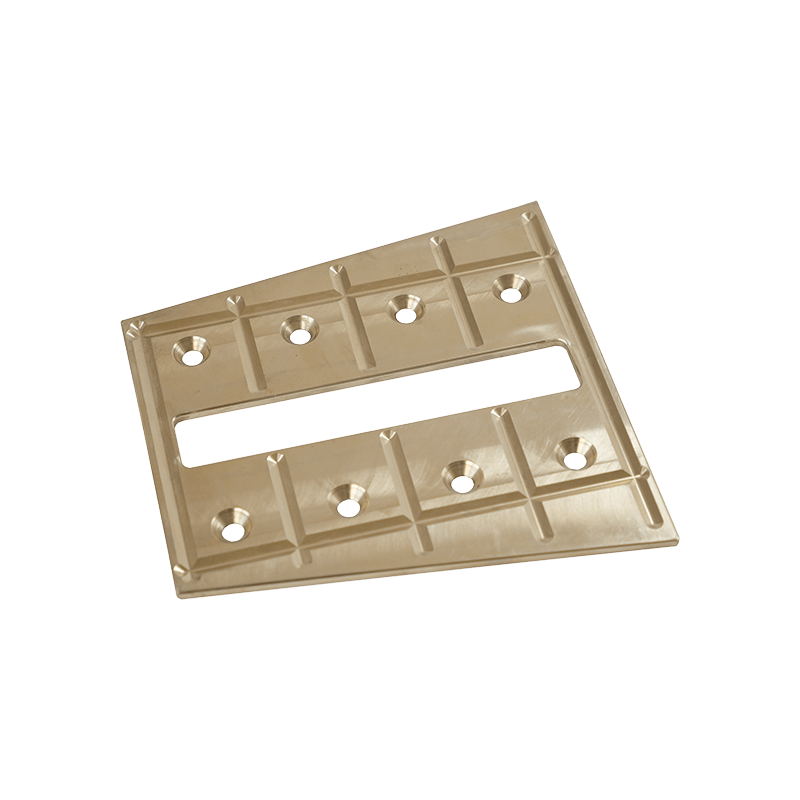
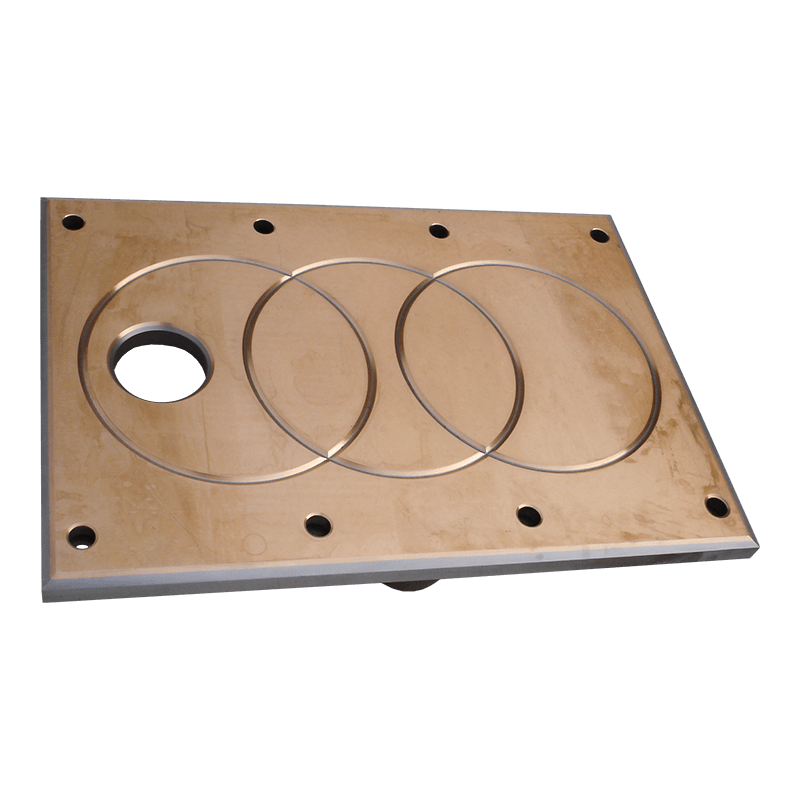
Some composite bearing plates include surface features such as oil grooves, pockets, or embedded solid lubricants. These design elements influence how much external lubrication is required and how it is distributed during operation.
Operating Conditions That Determine Lubrication Requirements
Whether a Steel-Copper Composite Bearing Plate requires lubrication depends largely on how and where it is used. Different operating parameters change the lubrication strategy significantly.
Load and Pressure
High loads increase contact pressure between the bearing plate and the mating surface. Under such conditions, lubrication is essential to prevent excessive wear and to maintain a stable friction coefficient. Light-load applications may tolerate minimal lubrication for short periods, but this is not ideal for long-term use.
Speed and Motion Type
Low-speed or oscillating motion applications often rely on boundary lubrication, where a thin lubricant film is present. High-speed applications benefit from hydrodynamic lubrication, which requires consistent lubricant supply. Steel-copper composite bearings generally perform best when lubrication matches the motion profile.
Temperature and Environment
Elevated temperatures can degrade lubricants and reduce their effectiveness. In hot environments, lubrication becomes even more important to dissipate heat and protect the copper layer. Dusty or corrosive environments also demand proper lubrication to prevent contamination-related wear.
Self-Lubricating vs Conventionally Lubricated Types
Not all Steel-Copper Composite Bearing Plates are the same. Some are designed to operate with external lubrication, while others incorporate self-lubricating features.
Conventionally Lubricated Bearing Plates
Standard steel-copper composite bearing plates typically require grease or oil lubrication. Lubrication channels or grooves help distribute lubricant evenly across the contact surface. Regular maintenance ensures consistent performance and prevents dry friction.
Self-Lubricating Variants
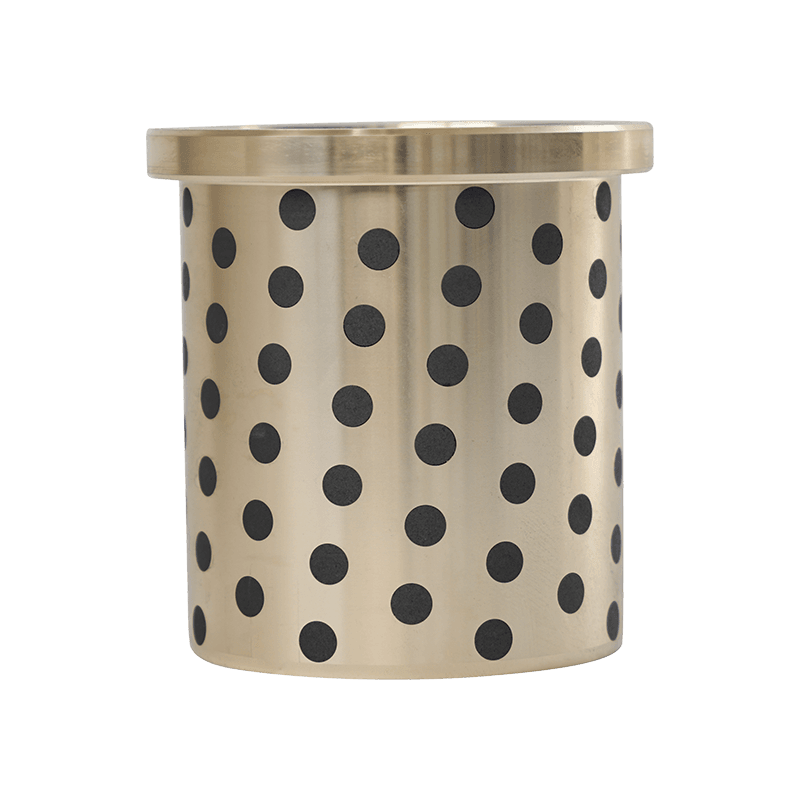
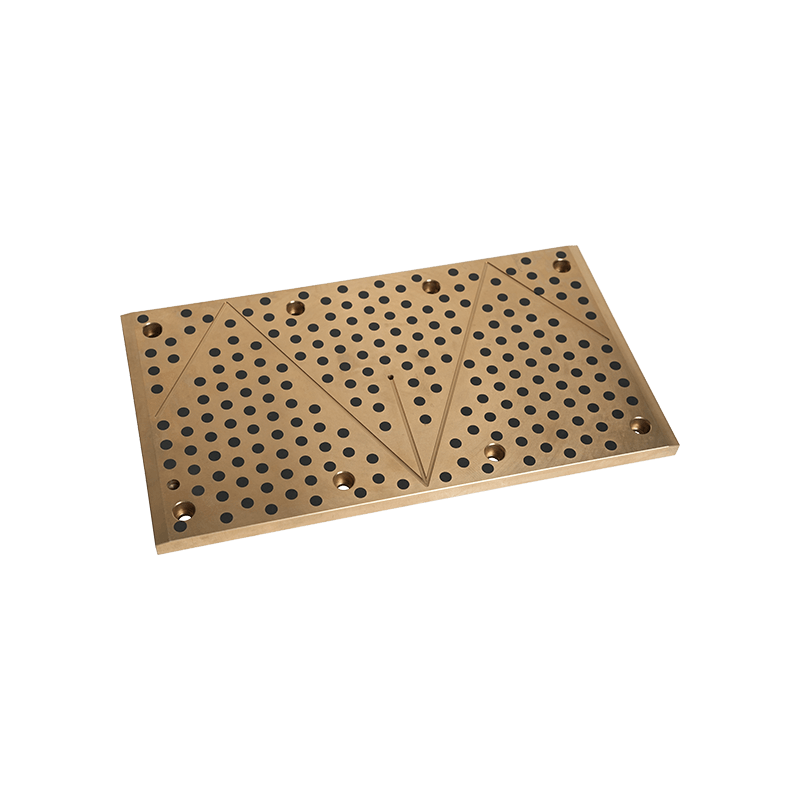
Some bearing plates include solid lubricants such as graphite or PTFE embedded within the copper layer. These designs can operate with reduced lubrication or even dry conditions for limited periods. However, even self-lubricating types often benefit from supplemental lubrication under heavy loads.
Recommended Lubrication Methods
Selecting the correct lubrication method is as important as deciding whether lubrication is needed. Steel-Copper Composite Bearing Plates are compatible with several lubrication approaches.
- Grease lubrication for moderate speeds and loads
- Oil lubrication for high-speed or continuous operation
- Solid lubricants for intermittent or hard-to-access systems
The choice depends on maintenance access, operating cycle, and environmental constraints.
Comparison Table: Lubrication Scenarios
| Application Condition | Lubrication Requirement | Typical Solution |
| High load, low speed | Required | Grease with additives |
| High speed, continuous | Required | Circulating oil |
| Intermittent, low load | Optional | Self-lubricating layer |
Risks of Operating Without Lubrication
Running a Steel-Copper Composite Bearing Plate without lubrication in unsuitable conditions can lead to rapid wear, increased friction, and heat buildup. Over time, this may cause scoring of the copper layer or deformation of the steel backing.
In extreme cases, lack of lubrication can result in seizure, where the bearing surface adheres to the mating component. This not only damages the bearing plate but may also harm shafts or housings.
Maintenance Best Practices
Proper lubrication management extends the service life of Steel-Copper Composite Bearing Plates. Regular inspection ensures that lubricant channels remain clear and that contamination is minimized.
- Use lubricants compatible with copper alloys
- Replenish lubricant at recommended intervals
- Monitor operating temperature and noise
Final Answer: Does It Require Lubrication?
In most practical applications, a Steel-Copper Composite Bearing Plate does require lubrication to achieve optimal performance and durability. While some self-lubricating designs can operate with minimal or temporary lubrication, external lubrication is generally recommended, especially under high load, speed, or temperature conditions.
By matching lubrication strategy to operating conditions, users can fully leverage the strength, wear resistance, and reliability of steel-copper composite bearing plates in industrial and mechanical systems.
 +0086-513-88690066