 English
 Deutsch
 Español
 русский

Introduction to Copper Alloy Series
The copper alloy series represents a versatile range of metals designed to combine copper’s natural properties with additional elements to enhance strength, corrosion resistance, and machinability. These alloys are widely applied in industrial, engineering, and decorative contexts. By tailoring the composition of copper with zinc, tin, nickel, or other metals, manufacturers can achieve specific mechanical, thermal, and chemical properties to meet diverse performance requirements.
Material Properties of Copper Alloys
Mechanical Strength and Hardness
Copper alloys are generally stronger than pure copper while maintaining corrosion resistance and thermal conductivity. Alloying elements like zinc in brass, or tin in bronze, enhance hardness and tensile strength. This allows copper alloys to perform reliably in load-bearing and structural applications, including machinery parts, fittings, and marine equipment.
Corrosion Resistance
Copper alloys resist oxidation and chemical degradation better than many other metals. Bronze and copper-nickel alloys are particularly resistant to seawater corrosion, making them ideal for marine hardware, piping, and outdoor structures. This longevity reduces maintenance costs and increases the lifespan of critical components.
Thermal and Electrical Conductivity
While alloying slightly reduces copper’s inherent conductivity, most copper alloys retain sufficient thermal and electrical performance for a variety of industrial applications. This makes them suitable for heat exchangers, electrical connectors, and components that require controlled heat dissipation.
Workability and Machinability
Copper alloys are easy to cast, forge, machine, and weld. Certain alloys, like free-machining brass, are specifically engineered for precise manufacturing, allowing high-volume production of complex components such as gears, valves, and decorative hardware.
Common Types of Copper Alloys
Brass (Copper-Zinc Alloy)
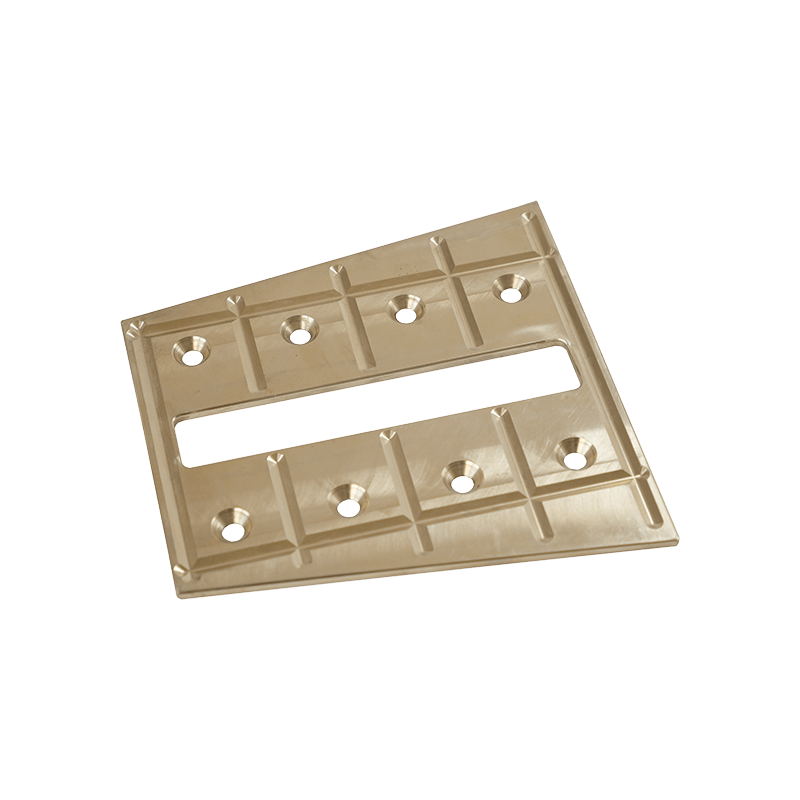
Brass is one of the most widely used copper alloys, combining good strength with excellent corrosion resistance. Its attractive gold-like appearance makes it popular for decorative hardware, musical instruments, plumbing fittings, and industrial machinery.
Bronze (Copper-Tin Alloy)
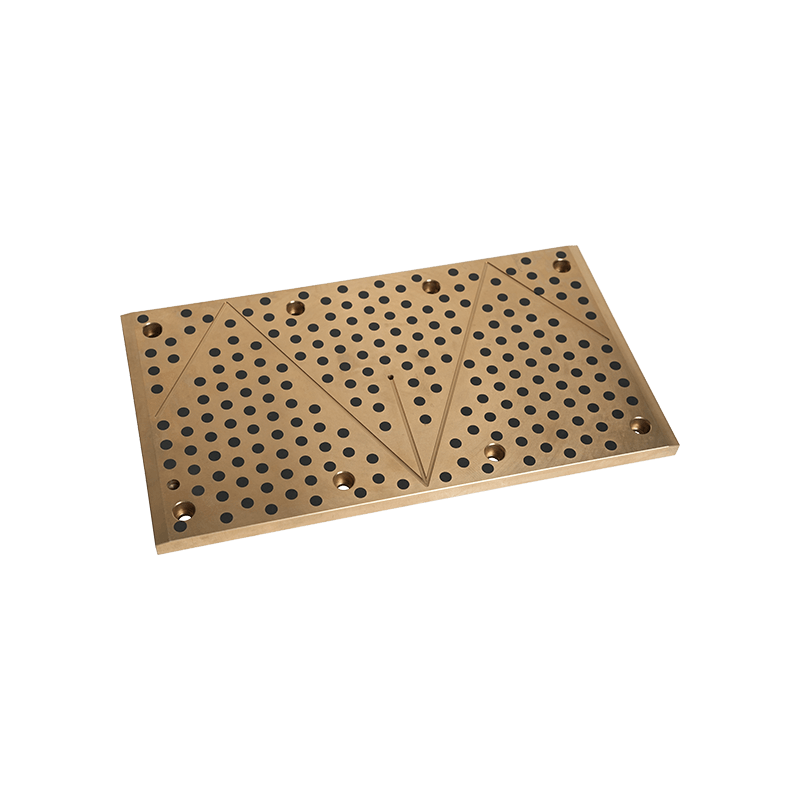
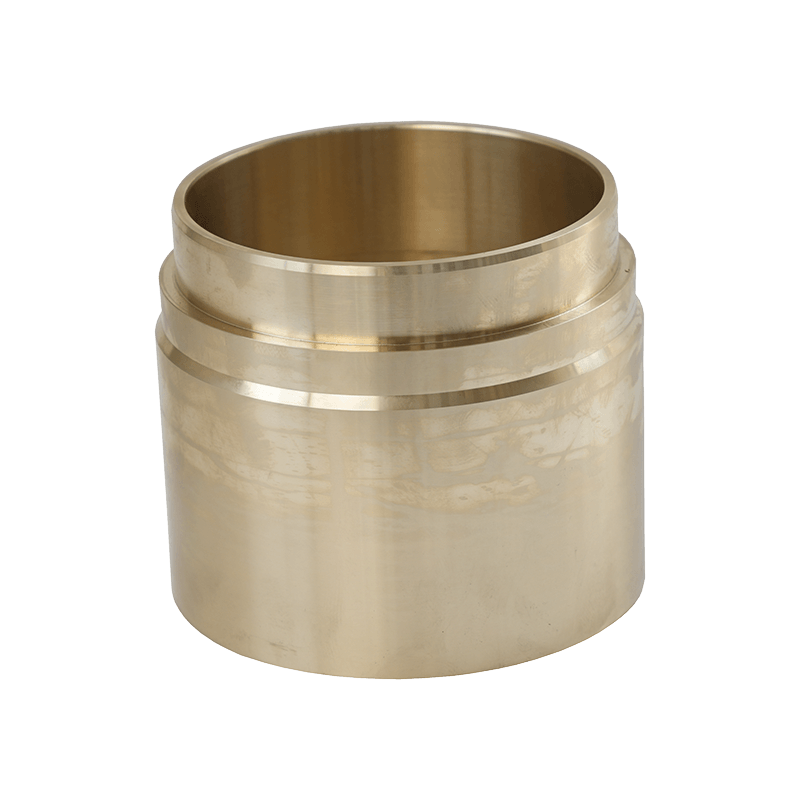
Bronze is valued for its hardness, wear resistance, and corrosion resistance. It is widely used in bearings, bushings, marine hardware, and artistic sculptures. Alloy variations with aluminum or silicon provide additional strength and thermal stability.
Copper-Nickel Alloys
Copper-nickel alloys are highly resistant to seawater corrosion and biofouling, making them ideal for shipbuilding, desalination plants, and piping systems. They maintain mechanical strength and toughness under extreme temperature and pressure conditions.
Other Specialty Alloys
Additional copper alloys include aluminum bronze, beryllium copper, and silicon bronze, each optimized for high strength, conductivity, or specialized corrosion resistance. These alloys are commonly used in aerospace, electronics, and precision machinery.
Industrial Applications
Mechanical Components
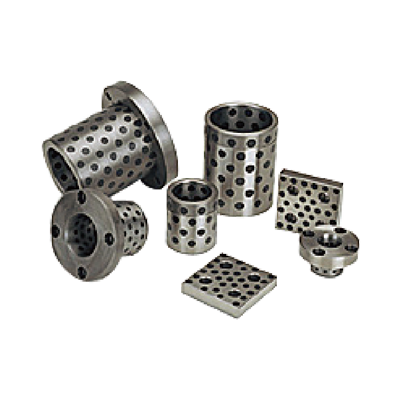
Copper alloys are widely used in gears, bearings, bushings, and valves due to their combination of strength, wear resistance, and machinability. Precision engineering applications benefit from alloys with predictable dimensional stability and low friction properties.
Electrical and Thermal Applications
Despite reduced conductivity compared to pure copper, certain alloys are still effective for connectors, busbars, and heat exchangers. Copper alloys balance performance with mechanical durability in high-load environments.
Marine and Chemical Industry
Copper alloys, particularly bronze and copper-nickel, resist corrosion in harsh chemical or saltwater environments. They are used in piping, pumps, valves, and shipbuilding hardware, ensuring long-term reliability in aggressive conditions.
Decorative and Architectural Uses
Brass and bronze are often selected for their aesthetic appeal in decorative hardware, handrails, lighting fixtures, and sculptures. These alloys combine functional durability with artistic design potential.
Comparison of Copper Alloys
| Alloy | Strength | Corrosion Resistance | Typical Uses |
| Brass | Moderate | Good | Decorative, plumbing, machinery |
| Bronze | High | Very High | Bearings, bushings, marine |
| Copper-Nickel | High | Excellent | Marine, chemical plants, piping |
| Aluminum Bronze | Very High | High | Aerospace, industrial machinery |
Manufacturing Techniques
Casting
Casting is commonly used for copper alloys to produce complex shapes with high dimensional accuracy. Sand casting, investment casting, and die casting are applied depending on component size and production volume.
Forging and Extrusion
Forging improves mechanical strength and grain structure, suitable for high-load components. Extrusion allows the creation of rods, tubes, and profiles for construction, electrical, and industrial applications.
Machining and Finishing
Copper alloys are easily machined, polished, and plated. Surface treatments such as nickel, chrome, or tin plating enhance corrosion resistance and aesthetic appearance for decorative or industrial use.
Conclusion
The copper alloy series provides a diverse range of materials that balance strength, corrosion resistance, and machinability for industrial, engineering, and decorative applications. Understanding the properties, types, and manufacturing processes of copper alloys allows engineers and designers to select the most suitable materials for performance, durability, and visual appeal across various sectors.
 +0086-513-88690066